Not Alien
Lead Product Designer
Brand design
Early stage startup
Objectives
Create and test an MVP
Define Brand values and identity
Get investments and funding for the company
My role
Define product's scope
Develop brand, logo and visual identity
Create long term vision
Define entire product experience from zero


The problem
Moving abroad starts with a question most people can't answer: where am I actually eligible to go? The answers are scattered across government websites, forums, and expensive consultants. Not Alien set out to answer that question in minutes, then guide people through the visa process. As Lead Product Designer, I owned the experience end to end, from discovery and flows to the brand, the website, and the shipped web app, working closely with leadership, engineering, and marketing.
Discovery: Mapped the immigration journey across our audiences, from international students to professionals, to decide what the MVP had to do first: tell people where they can go.
Product flows: Crafted the end-to-end flow: assessment, personalized results, visa checklist, payment, and application tracking, in both a quick and an extended version.
Prototyping: Explored and tested key screens, like the results map, comparing several visual directions with the team before handoff.

Building the Brand and Public Website
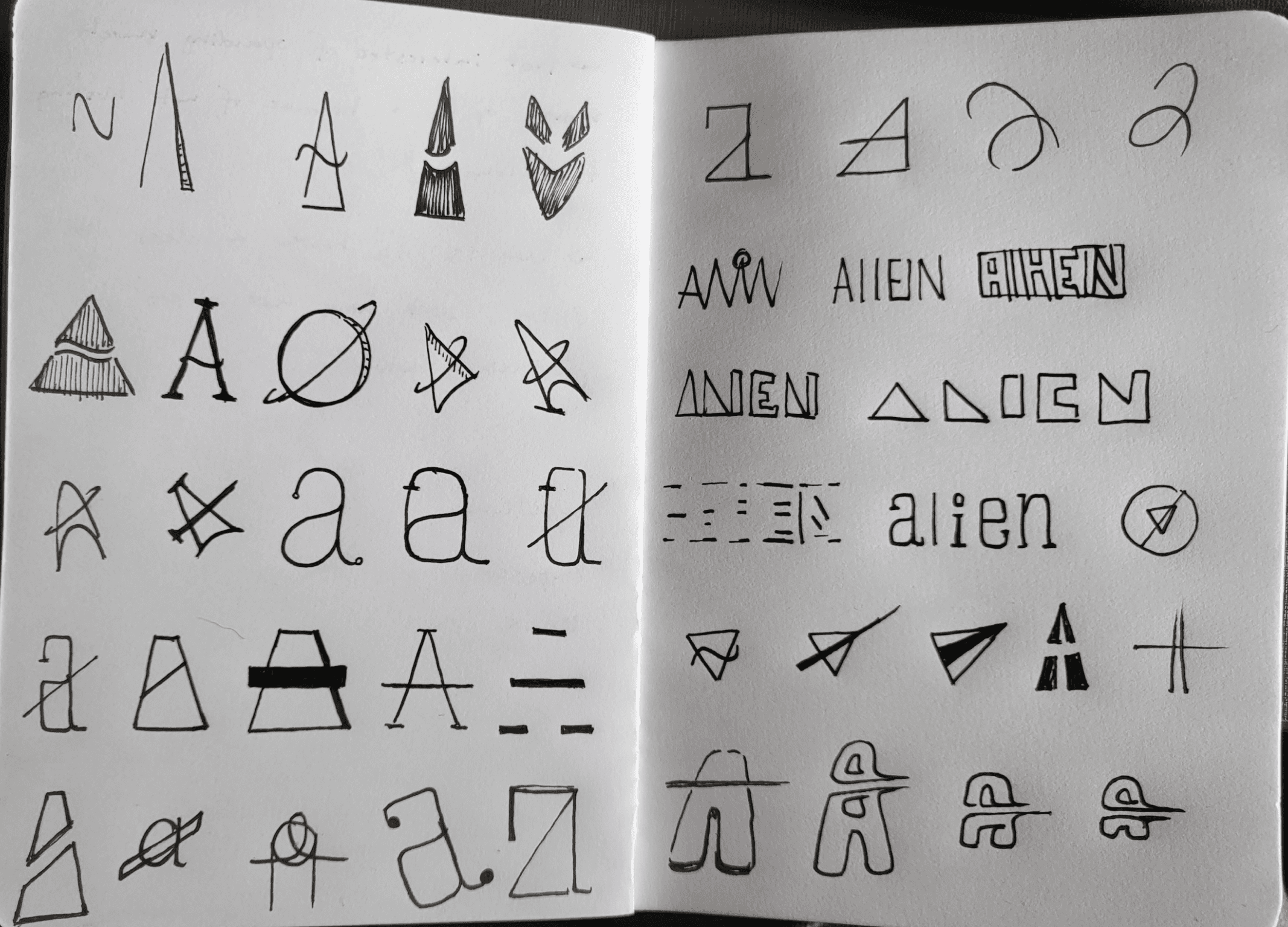
Brand identity: Immigration brands tend to look like government agencies or law firms. I led the brand in the opposite direction: warm, human, and optimistic, built around one idea: immigration is as old as human history.

Website: I designed and prototyped the full marketing site (homepage, How it works, About, and a stories blog) around one action: start your free assessment. Every page was specced and handed off ready for development.

Visa guide system: every guide follows the same structure: country header, visa types, destination facts with a map, how it works, and a filing CTA. With that template, a new country could launch without new design work, and a full country list helped each page get found through search. I also simplified the process: the landing page explained filing in six steps, and I cut the guides down to three, with clear titles for each, so applying felt achievable. We launched four guides first, chosen for the most in-demand, open-border destinations, so we could measure each one properly before scaling.

Shipping, testing, and results
The web app went live and reached hundreds of people a day, mostly through paid ads, with Reddit as our strongest channel. From there, we let real usage data set our priorities:
Assessment completion: 80% of people who started the assessment finished it, even though it took about five minutes on average, a strong signal of intent.
Conversion experiments: Our biggest experiment targeted the end of the funnel. We A/B tested versions of the visa pages to learn what made people more likely to convert.
Iteration: Results fed straight back into the roadmap, deciding what we built next and for which audience.


This traction, with high assessment completion, steady daily traffic, and strong ad conversion, backed our early-stage fundraising with angel investors in the San Francisco Bay Area.
Not Alien was discontinued after we weren't able to secure funding at that stage. Before then, the brand, the website, the visa guides, and the web app had all shipped, and real users had shown clear demand for a simpler path abroad.
If I did it again, I'd test whether people would pay much earlier. An 80% completion rate proved interest, but investors wanted proof of revenue, and we reached the paywall too late.